|
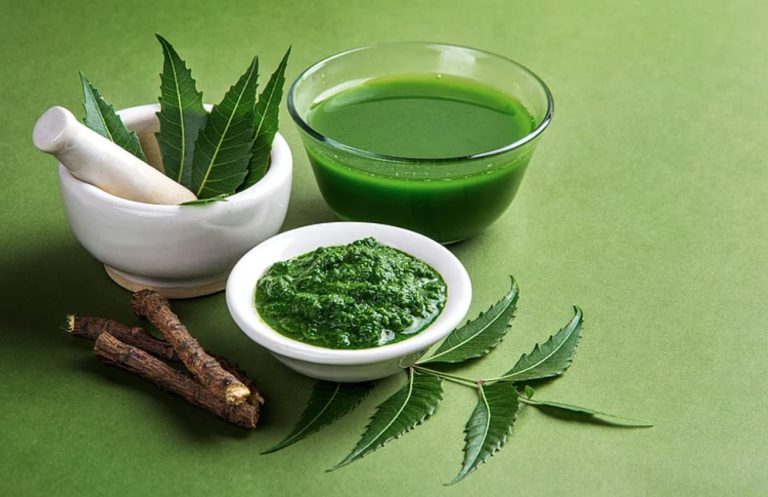
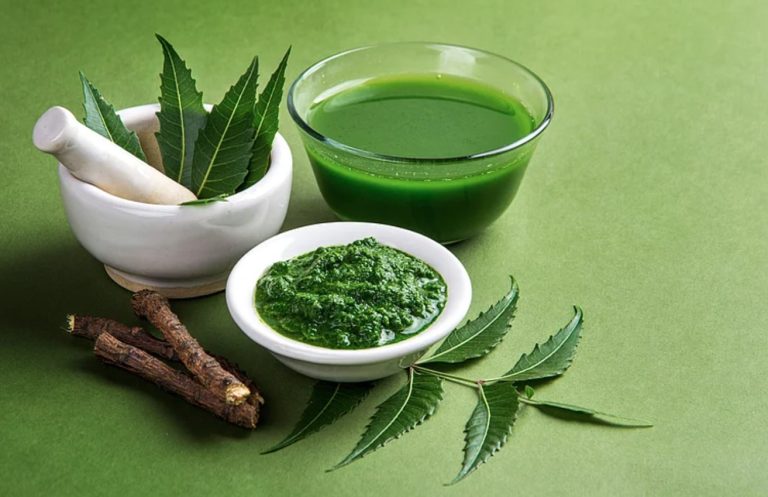
When we talk about foreign herbs, you do not have much a choice. They do not grow here. You can only purchase them as dried herbs or in dosage forms such as capsules or creams. You also do not benefit from a direct experience with the herb. Nor do you enjoy the freshness of the herb. The wonderful thing about getting to know and studying about local herbs is that they grow in our gardens and backyards. You can actually see and feel them in their natural state and habitat. The wonderful thing about getting to know and studying about local herbs is that they grow in our gardens and backyards. You can actually see and feel them in their natural state and habitat. You can take them raw or processes them as an infusion (tea) or paste. You may even combine them with other herbs for the necessary synergy. If you are adventurous, you could dry the leaves, powder it and the make your own capsules using empty capsule shells that you could easily purchase in the pharmacy. You even have an option to pick the leaves or flowers at the most appropriate times - say in the morning when they are fresh or when they have grown old and mature. You have more options and thrills with the local fish. There is freshness and more possibilities with the whole fresh fish. It is certainly more fun, especially if you are into cooking. While many of these local herbs are now available in pharmacies in modern pharmaceutical dosage forms, it is good to know how to process them - especially if they grow in your garden. Here are some of the pertinent questions. What is an infusion? This is basically a tea. Normally the herb is dried and soaked in hot water for varying periods. The resulting infusion is called the herbal tea. Sometimes, some actual tea leaves are added to give it the flavour enhancement needed. Not a bad idea especially when researchers are finding that your cup of regular tea is packed with polyphenols - powerful natural anti-oxidants. You may also flavor the resulting infusion with some honey. For bitter infusions, you can suck on some sour kana or rock sugar to counteract the taste. Fresh herbs could be used for the infusion as well. What is a paste? This is sambal (paste). You mesh the fresh leaves. The resulting paste may sometimes be taken on its own or mixed with grated coconut for body. There are basically 2 means of extraction - using water and alcohol. Is the part of the plant important? That depends on the herb. Different parts are used for various species. All parts can be used - leaves, flowers, shoots, roots, fruits and even the bark. The leaves are most often used. What are the ways of extraction? There are basically 2 means of extraction - using water and alcohol. Water extraction pulls out the water soluble extracts while alcoholic extraction pulls out the fat soluble compounds. To makes a water extraction, soak and slow boil in water. For alcoholic extracts, alcohol is used. Can I use the Tongkat Ali? The real power stuff - the alkoloids - sit mostly in the root. You get some in the bark as well as in the stem and some elsewhere in the plant. This is why the root is particularly esteemed amongst the village folk. How do I best consume pegaga? Pegaga (centella asiatica) may be taken as a salad. In fact, the Malays often call it "ulam pegaga" or pegaga salad. It can also be taken as a juice. Sometimes it is made into a paste along with grated coconut. This may be taken orally. The fresh leaves or even the dried ones may be taken as an infusion. The formula is one handful of the herb to a glass. This slowly boiled until ½ cup is left. The resulting juice may be sweetened with honey or raw brown sugar. Both the Malays and Indians tend to make a pure paste of the fresh herb. This is applied to the skin and scalp for the promotion of healthy skin and hair. This might sound somewhat absurd but new research is showing an amazing array of compounds that have powerful rejuvenating effects on the skin. Some of the world's most powerful cosmetic companies are lining to launch pegaga based creams! How does one use the Misai Kuching (arthosiphon species) plant? All parts of the plant above the ground may be used. The most commonly used parts are the leaves and flower. This too be best used as an infusion. This has a very mild taste and does not usually need sweetening. This is especially so if the herb is being used to help control the blood sugar of diabetes. How do you use the Hempedu Bumi (andrographis panicaulata)? This really is bitter. The traditional way it to make a water extract. You can also make an infusion. A bitter herb like this presents possibilities of making crude capsule. You get the herb and sun or even oven dry it. This is then powdered and capsulated using dry gelatin capsule shells which you can easily buy from a pharmacy. Why do the Malays and Indian take hempedu bumi with goat's milk for hepatitis? The alkoloids of this herbs are best absorbed as part of a fat based meal. Goat's or coconut milk is often used. These milks are also supposed to be good for liver hepatitis for which the herbs is most often used. How does one consume neem? The neem leaf may be taken raw by simply chewing. However, it is bitter. It may be taken as a juice. Sometimes the leaves may be made into a paste. This is rolled into little balls which are then quickly swallowed. I know one herbalist who actually sun dries these balls to make crude pill which he then prescribes. The old rule : 10 mature leaves taken daily gives good health. This is particularly helpful for liver. You may boil the leaves and make a crude infusion that you can bathe with. This is good for measles, chicken pox, eczema and rash prone skin. Washing the face with the neem infusion also helps in acne. Can other parts of the neem plant be used? How? The twigs and barks are used. The seeds are normally avoided. The twigs are normally chewed and even used as a crude toothbrush. How does one consume selasih (ocimum santum) ? The fresh leaves are chewed along with some pepper and rock sugar. This helps abort a flu. It even helps calm a flu that is already in progress. This remedy when taken regularly also helps strengthen the lungs and boost the immune system. Why is tumeric used in combination with herbs? Tumeric is a very poweful anti-oxidant. There was even an American company that wanted to patent it! Tumeric is said to make other herbs work better. Tumeric is a very poweful anti-oxidant. There was even an American company that wanted to patent it! How does ginger help herbs work better? Ginger seems to have a synergestic effect when combined with some herbs. That is why it finds its way in many traditional herbal formulations - both eastern and western. Ginger also aids digestion and prevents gas formation. How do you use pepper in conjunction with our herbs? Pepper is hot spice and seems to activate the body's healing mechanisms. This makes the herbs work well. How do I prepare a ginger tea? Easy. Take mature raw ginger about the size of your thumb. Slice this thinly or simply pound it. Pour hot boiling water. Do not boil. Let this stand for 15 minutes. Sweeten to taste with honey. Sip slowly hot or cold.
|